A colleague of mine bought a beautiful home last year for about $75,000 below market value. The catch was that it took nearly six months from offer to closing. The property was a short sale. The seller owed more on the mortgage than the house was worth. The bank had to approve the sale at a loss. My colleague had the patience to wait it out and ended up with a fantastic deal.
Short sales can offer significant savings for buyers willing to navigate the process. They can also turn into frustrating experiences that waste months of your time. Understanding what you are getting into before you make an offer can help you decide whether a short sale makes sense for your situation.
📊 Short Sale Timeline Reality Check
According to RealtyTrac data, short sales take an average of 90-120 days to close compared to 30-45 days for traditional sales. However, buyers who complete short sales typically save 10-20% below market value. On a $400,000 home, that patience translates to $40,000-$80,000 in savings—if your timeline allows for it.

What Exactly Is a Short Sale?
A short sale occurs when a homeowner sells their property for less than they owe on the mortgage. The lender agrees to accept the reduced amount as payment in full. This allows the seller to avoid foreclosure while the lender recovers more than they would through the foreclosure process.
For this to happen the seller must demonstrate financial hardship. They need to show the bank that they cannot continue making payments and that foreclosure is the likely alternative. The bank then evaluates whether accepting a short sale makes more financial sense than pursuing foreclosure.
From the buyer's perspective a short sale looks similar to any other home purchase. You make an offer, negotiate terms and close on the property. The difference is that the seller's lender must approve the sale price. This adds time and uncertainty to the process.
The Potential Benefits of Buying a Short Sale
The primary attraction of short sales is price. Sellers in financial distress are motivated to sell quickly. They may accept offers below market value to get out from under their mortgage. Banks approving short sales are also motivated to minimize losses. They may accept prices that would be rejected in a normal market.
Short sale properties are often in better condition than foreclosures. The owners are still living in the home and maintaining it. They have an incentive to keep the property presentable because they want the sale to close. Foreclosed homes by contrast often sit vacant for months and can suffer from neglect or vandalism.
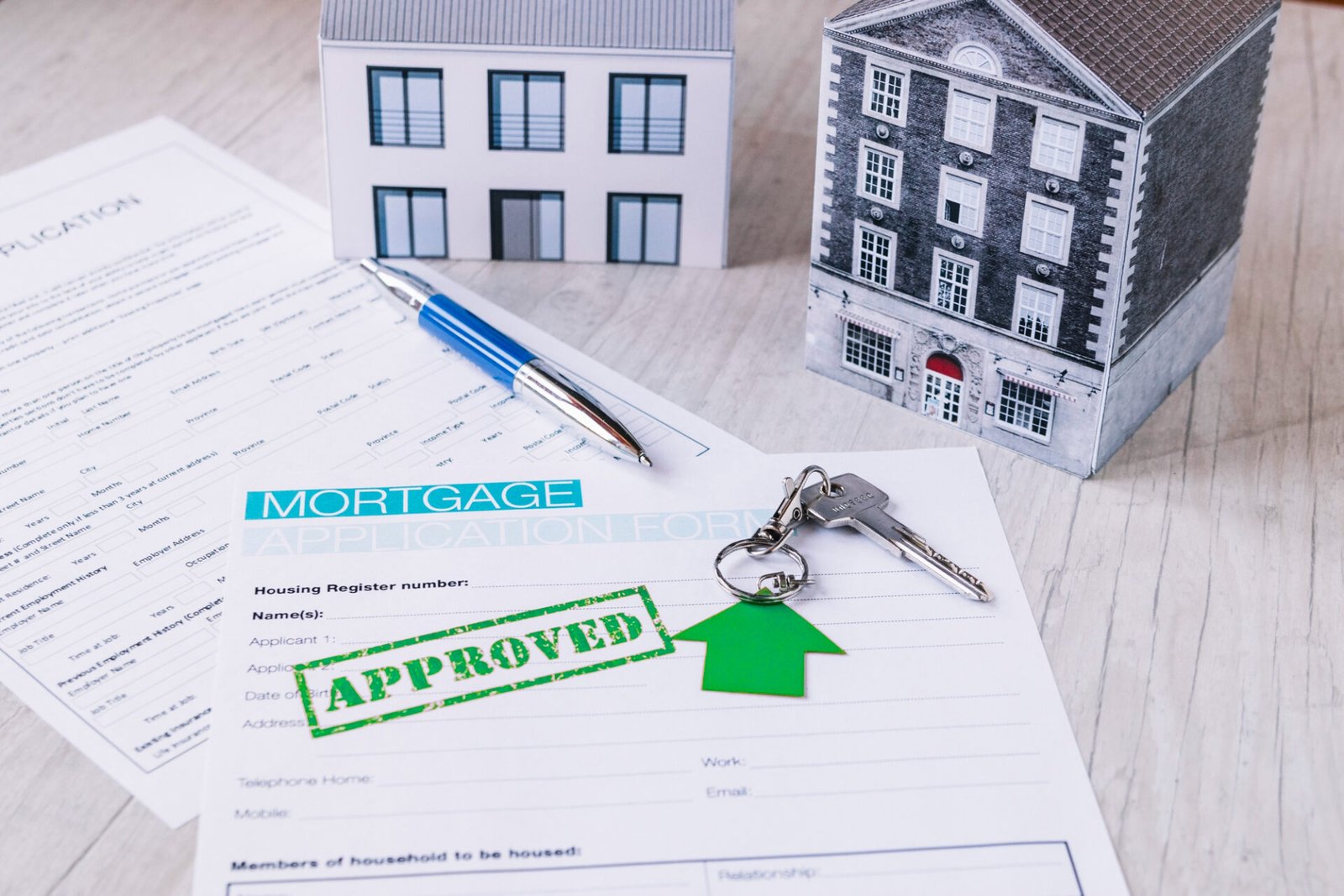
The negotiation dynamic can favor buyers in short sales. The seller wants out. The bank wants to avoid foreclosure costs. Both parties have reasons to work with a reasonable buyer. This can create opportunities to negotiate favorable terms beyond just the purchase price.
The Challenges You Should Expect
Time is the biggest challenge with short sales. The bank approval process can take months. During this time you are in limbo. You cannot move forward with the purchase but you may have taken the property off your search list. If the deal falls through you have lost valuable time.
Multiple layers of approval slow things down. The seller must agree to your offer. Then the listing agent submits it to the bank. The bank assigns a negotiator who reviews the file. They may order a new appraisal or broker price opinion. They evaluate whether the offer makes financial sense compared to foreclosure. Each step takes time.
Communication can be frustrating. Banks handling short sales are often overwhelmed with files. Getting updates on your offer status can feel impossible. Your real estate agent may spend hours on hold trying to reach someone who can provide information. This uncertainty is stressful for buyers who need to plan their lives.
The property is sold as is in most short sales. The bank is already taking a loss. They are not going to approve credits for repairs or improvements. If the property inspection reveals problems you either accept them or walk away. There is usually no negotiation on condition issues.
How to Evaluate a Short Sale Opportunity
Start by understanding the local market. Is the short sale price actually a good deal? Compare it to recent sales of similar properties. A short sale priced at market value offers no advantage over a traditional purchase. The discount needs to be substantial enough to justify the extra time and hassle.
Research the property's history. How long has it been listed? Short sales that have been on the market for months may have issues that are not immediately apparent. Previous offers may have fallen through for reasons you should understand before making your own offer.

Find out how many mortgages are on the property. If there are multiple liens each lender must approve the short sale. This multiplies the complexity and time required. A property with a single mortgage is much simpler to purchase than one with a first and second mortgage from different lenders.
Ask about the seller's situation. Are they cooperative? Have they submitted all required documentation to the bank? A seller who is responsive and organized can help the process move faster. A seller who is difficult to reach or has not provided necessary paperwork will slow everything down.

Protecting Yourself in a Short Sale Transaction
Get pre-approved for your mortgage before making an offer. Banks reviewing short sale offers want to see that buyers can actually close. Your credit profile and debt-to-income ratio both matter in this evaluation. A strong pre-approval letter from a reputable lender strengthens your offer. It shows you are serious and capable of completing the purchase.
Work with a real estate agent experienced in short sales. The process is different from traditional purchases. An agent who has successfully closed short sales knows how to navigate the bank approval process. They know what documentation to submit and how to follow up effectively.
Include appropriate contingencies in your offer. You want the right to conduct inspections and walk away if you discover serious problems. You also want a financing contingency in case your mortgage approval falls through. These protections are standard but make sure they are in writing.
Set a deadline for bank approval. You do not want to wait indefinitely. Include language in your offer that allows you to withdraw if the bank has not responded within a specified timeframe. Sixty to ninety days is reasonable for an initial response though full approval may take longer.

The Financial Considerations
Calculate the true cost of waiting. If a short sale takes four months longer than a traditional purchase you are paying rent for four extra months. You are also delaying the start of equity building in your new home. Factor these costs into your analysis of whether the short sale price is actually a good deal.
Consider the opportunity cost. While you are waiting for short sale approval other properties are selling. You might miss out on a traditional sale that would have been a better fit. The short sale discount needs to compensate for this risk.
Budget for repairs and updates. Short sale properties are sold as is. The previous owners may have deferred maintenance due to their financial situation. You should expect to spend money bringing the property up to your standards after closing.
When Short Sales Make Sense
Short sales work best for buyers with flexibility. Buyers new to homeownership may find the extended timeline challenging if they are currently renting month-to-month. If you have a place to live during the extended timeline the delay is less burdensome.
They also work well for buyers who can handle some uncertainty. The deal might fall through at any point. The bank might reject your offer after months of waiting. If this possibility would cause significant stress or hardship a short sale may not be right for you.
Investors often do well with short sales. They have the patience and resources to wait out the process. They can evaluate properties objectively without the emotional attachment that homebuyers often feel. They know how to estimate repair costs and factor them into their offers.
When to Walk Away
Not every short sale is worth pursuing. If the price is not significantly below market value the hassle is not justified. If the property has multiple liens from different lenders the complexity may be too great. If the seller is uncooperative or the listing agent is unresponsive the process will be even more frustrating than usual.
Trust your instincts. If something feels wrong about the deal it probably is. There are plenty of homes on the market. You do not need to force a short sale to work if the circumstances are not right.
Keep looking at other properties while your short sale offer is pending. You are not committed until you close. If a better opportunity comes along you can withdraw from the short sale and pursue it instead. Do not let the sunk cost of time already invested keep you in a bad deal.
Moving Forward
Short sales can be excellent opportunities for the right buyer in the right circumstances. They require patience, flexibility and realistic expectations. If you have these qualities and find a property worth pursuing the potential savings can be substantial.
Before making an offer on any property make sure your financing is in order. Get pre-approved so you know exactly what you can afford. This puts you in a stronger position whether you are pursuing a short sale or a traditional purchase.
The home buying resources available to attorneys can help you navigate any type of purchase. Take advantage of them. An informed buyer makes better decisions and gets better outcomes.
Ready to Start Your Home Search?
Whether you are considering a short sale or a traditional purchase, getting pre-approved is your first step. Know your budget before you start looking.
Get Pre-Approved